
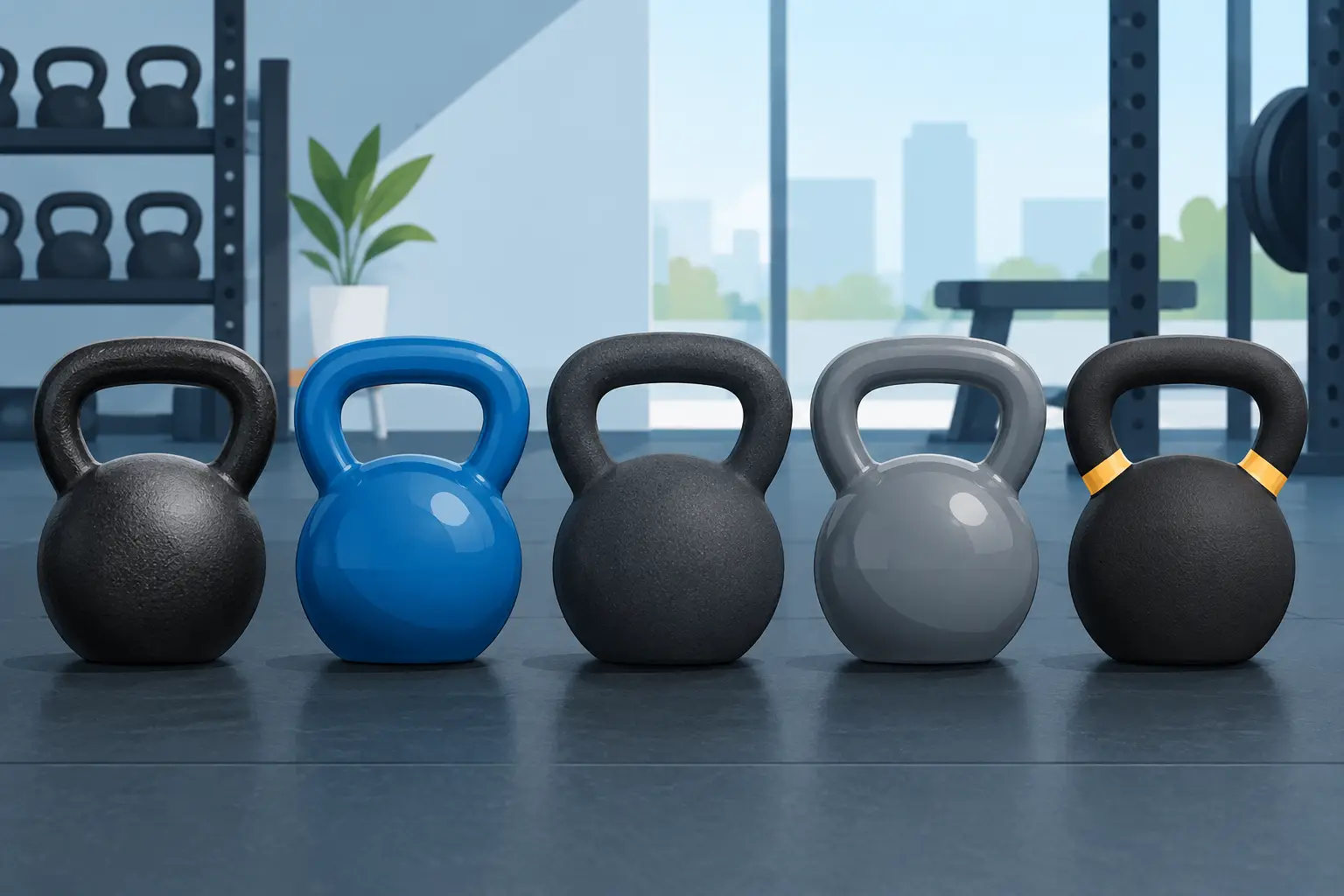
A kettlebell can survive thousands of swings and still look finished, or it can start flaking after a few months on a rough gym floor. If you are asking what kettlebell coating lasts longest, the most accurate answer is e-coat for corrosion resistance and long-term coverage. But the right finish depends on what is wearing the bell: moisture, repeated rack position, metal-to-metal contact, or hard drops.
The coating is not a cosmetic extra. It affects grip, maintenance, floor protection, and how well the kettlebell holds up through years of real training. Choose the finish for the work, not for the showroom.
What Kettlebell Coating Lasts Longest?
For a cast-iron kettlebell used in demanding conditions, an electro-deposited coating, usually called e-coat or e-coating, generally lasts the longest against rust and broad surface wear. The process uses an electric current to apply an even protective layer across the metal, including areas that are harder to coat consistently with spray-applied finishes.
That even coverage is the advantage. Cast iron has a textured surface and small imperfections. E-coat reaches into that texture and creates a thin, bonded barrier that resists sweat, humidity, and minor abrasion well. It does not make a bell indestructible. Repeated impacts against racks, concrete, or other bells can still mark it. But when the goal is long service life with minimal corrosion, e-coat is difficult to beat.
A quality powder coat is a close competitor, especially where grip and abrasion resistance matter more than a perfectly smooth finish. Powder-coated bells are common in serious home gyms, functional fitness facilities, and strength rooms because the finish is tough, grippy, and practical. The trade-off is that a deep chip can expose bare iron. Once moisture reaches that exposed spot, rust can begin.
So the short answer is simple: choose e-coat for the longest-lasting all-around protective finish. Choose powder coat when you want a more tactile handle and can accept occasional cosmetic touch-up from hard use.
Coating Life Depends on the Type of Wear
There is no coating that wins every test. A bell stored in a dry home gym faces different threats than one used by fifty members a day in a humid training facility.
Moisture is the enemy of cast iron. Sweat, wet garage floors, coastal humidity, and outdoor training all increase the chance of rust. E-coat performs exceptionally well here because its coverage is thin and consistent. It protects the full bell without adding a thick outer layer that can be scraped away at high-contact edges.
Impact is different. If kettlebells are dropped, dragged, stacked carelessly, or slammed into a metal rack, every finish will eventually show evidence. Powder coat tends to handle general scuffing well, but sharp impacts can chip it. E-coat can scratch or wear smooth over time, especially where bells strike each other. Neither finish makes a kettlebell suitable for uncontrolled drops. Kettlebells are built for ballistic training, not for being treated like bumper plates.
Grip also changes the decision. A slightly textured powder coat gives many athletes a secure feel during swings, cleans, and snatches without needing excessive chalk. E-coat is typically smoother. That smoothness is easy on the hands and comfortable in the rack, but lifters who train high-rep snatches may prefer a fine powder-coated handle or use chalk strategically.
How Common Kettlebell Finishes Compare
E-Coat: Best for Long-Term Rust Protection
E-coat is the performance choice for lifters who prioritize longevity, low maintenance, and resistance to humid conditions. It is usually black, smooth to lightly textured, and less likely to hide flaws beneath a thick finish. On a well-made cast-iron bell, it gives the tool a clean, workmanlike appearance that ages well.
Its limitation is feel. Some e-coated handles can be slicker than powder-coated handles when hands are wet or heavily sweaty. The solution is not to chase an aggressively rough coating. Rough handles can tear skin just as quickly as poor technique. A good handle shape, sensible chalk use, and progressive volume matter more.
E-coat is especially well suited to hardstyle cast-iron kettlebells used for strength, conditioning, carries, and general athletic work. It is built for the long haul.
Powder Coat: Best Balance of Grip and Durability
Powder coat is a strong choice for hard training. The finish is applied as dry powder, then cured to form a protective outer layer. Quality varies significantly. A thin, uneven, or overly glossy powder coat can feel poor in the hand and may wear prematurely. A well-applied matte or lightly textured finish offers dependable grip and solid protection.
For many lifters, powder coat is the practical favorite because it feels ready for work from the first session. It provides more traction than smooth paint or vinyl and generally performs well in busy training environments.
The weak point is damage concentration. A deep chip from repeated rack contact or a hard strike against concrete exposes the iron below. Inspect chipped areas, keep the bell dry, and touch up bare spots before surface rust spreads. That small amount of maintenance can add years to the tool.
Vinyl and Neoprene: Floor-Friendly, Not Long-Life Training Finishes
Vinyl-coated kettlebells are often marketed as protective, but vinyl is not the longest-lasting finish for serious kettlebell work. It helps reduce floor scuffs and makes the bell less intimidating for beginners. It also tends to create a thick, soft outer surface that can split, peel, or loosen with repeated use.
Vinyl is commonly a poor match for high-volume swings, cleans, and snatches. It can feel bulky in the rack, reduce feedback from the bell, and create inconsistent handle-to-body geometry. Many vinyl designs also leave the handle uncoated, which means the most important grip area may still be exposed to sweat and rust.
Use vinyl only when floor protection and light general fitness use are the primary priorities. It is not the finish to choose for years of hard skill practice.
Painted Finishes: Fine for Light Use, Weak Under Repeated Contact
Basic painted kettlebells are usually the least durable option. Paint can look clean when new, but it is more likely to scratch, flake, and chip under repeated contact. Once it begins peeling, the bell can look neglected quickly, even if the cast iron underneath remains structurally sound.
That does not mean every painted bell is unusable. For occasional home training in a dry space, a painted kettlebell can serve its purpose. But if you want equipment that holds up to regular training blocks, heavy carries, and years of handling, e-coat or powder coat is the better investment.
Coating Cannot Fix Poor Construction
A durable coating does not compensate for a badly made kettlebell. Before comparing finishes, inspect the fundamentals: a single-piece cast construction, a clean casting surface, a stable flat base, and a handle with enough room for your grip. The handle should not have sharp seams, thick paint buildup, or rough edges that create hot spots during swings and snatches.
For competition kettlebells, the coating question changes slightly. Competition bells are usually steel shells with standardized external dimensions across weights. Their finishes are often smooth and designed around consistent movement mechanics rather than the textured grip associated with cast-iron hardstyle bells. They should still resist sweat and scuffs, but standardized size, handle geometry, and balance are the primary buying factors.
Do not buy a competition bell solely because its paint appears more refined. Buy it when consistent dimensions across weights support your technique, sport practice, or coaching system. Buy a hardstyle cast-iron bell when you want a durable, direct tool for broad strength and conditioning work.
Make Any Kettlebell Finish Last Longer
The best finish still needs basic care. Wipe off sweat after training, particularly around the handle and base. Do not leave bells on wet concrete, grass, or outdoor decking. If your training space is damp, store them off the floor and keep air moving through the room.
Avoid stacking kettlebells or throwing them onto metal storage racks. Use a stable rack with protective contact surfaces, and set the bell down under control. This is not delicate treatment. It is disciplined equipment use.
If a powder-coated or e-coated bell develops a chip, clean and dry the area promptly. Small surface marks are normal. Neglect is what turns a small chip into visible rust and a shortened service life.
A kettlebell is a training tool, not a display piece. Choose e-coat when maximum corrosion resistance and low-maintenance durability lead the decision. Choose powder coat when you want durable protection with a more tactile grip. Then train with control, maintain the bell, and earn your reps for years.